Household appliances
How to wash, dry and reproof a Gore-Tex jacket so it stays waterproof
Koen van Viegen ·
Is your rain jacket getting wet on the outside? Then the water-repellent finish has worn off, not the membrane. Here is how to wash and dry a Gore-Tex jacket, reactivate the finish with heat and reproof it.
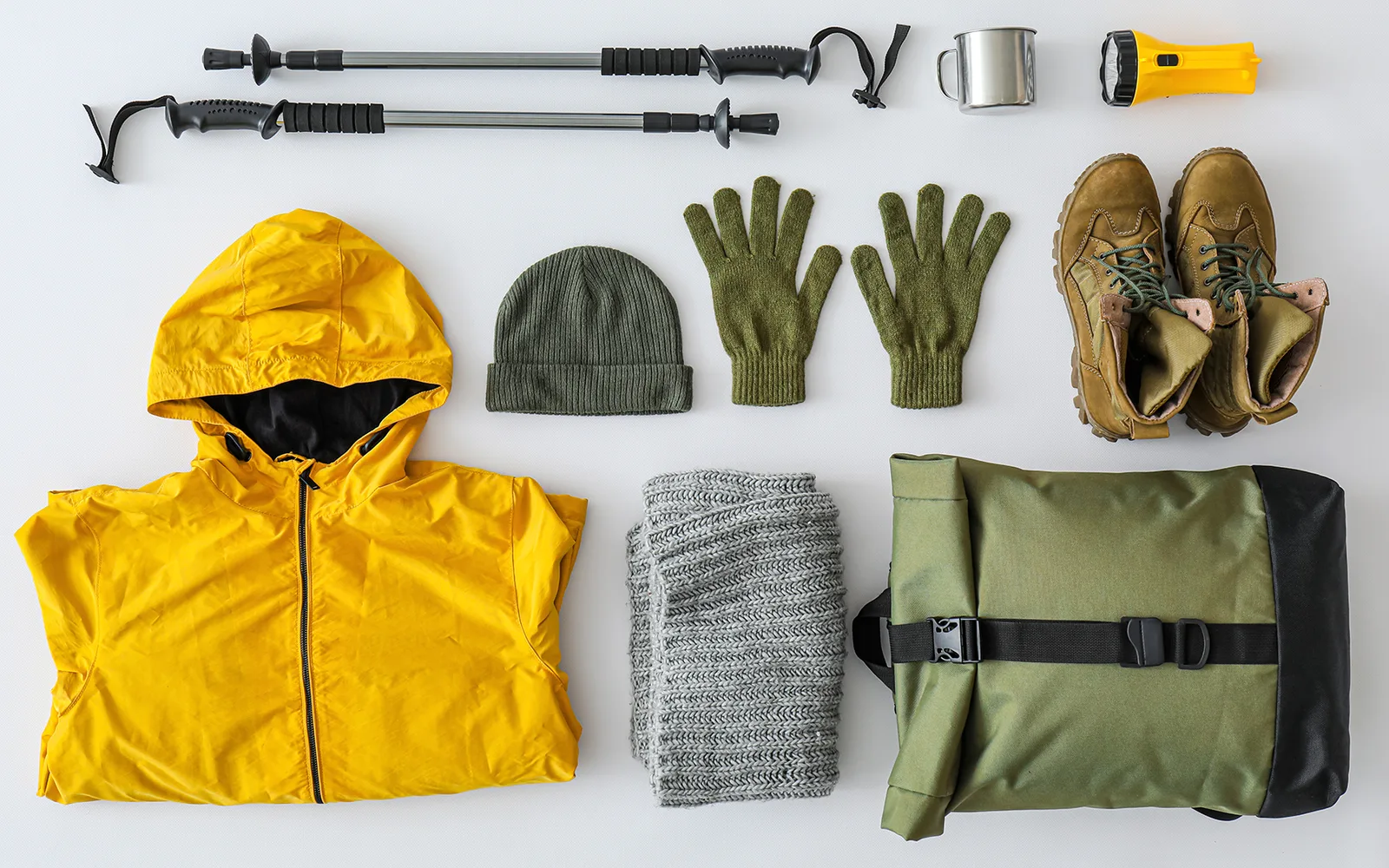
Why your waterproof jacket still gets wet
A Gore-Tex jacket has two layers that do the work. Between the inner and outer fabric sits the membrane. Its pores are too small for raindrops but large enough to let water vapour from sweat escape from the inside out. That is what makes the jacket waterproof and breathable at the same time.

On the outer fabric there is a second layer: the DWR, Durable Water Repellency. It makes water bead up and roll off. Dirt, sweat, washing and wear make that layer work less and less well. The outer fabric then soaks up water, the jacket feels heavy and cold, and you think it is leaking. The membrane is still doing its job, but because the outside is full of water, your sweat can no longer escape. That feels like getting wet from the inside.
The good news: the DWR is usually not gone, just no longer active. Washing removes dirt and residue, and heat sets the finish back up.
How to wash a Gore-Tex jacket in the washing machine
Do not wash outdoor clothing more often than you need to, because every wash wears the fabric and the water-repellent finish. If the jacket is only wet or muddy, let it dry first and brush the dirt off. Only when it is really dirty or starts to smell does it go in the machine.
- Read the care label. It decides the temperature, spin and drying. You usually wash Gore-Tex at 40 degrees maximum.
- Prepare the jacket. Zips, press studs and Velcro closed, pockets empty and the jacket inside out.
- Choose the right detergent. A liquid detergent for technical clothing or membrane garments. No washing powder: it can clog the pores of the membrane.
- No fabric softener. It damages the water-repellent finish and the membrane.
- A delicate cycle with a low spin. A hard spin puts strain on the fabric and the taped seams.
- An extra rinse. An extra rinse removes the last traces of detergent, so none stays behind on the fabric.
If you often use the same washing machine with ordinary detergent, there may still be powder or softener in the drawer. Give the drawer a quick rinse before you wash your jacket.
Drying Gore-Tex: hanging and with heat
After washing, hang the jacket to dry. Once it is dry, give it about 20 minutes of heat. You can do that in a drying cabinet, in a tumble dryer if the label allows it, or with an iron on a low setting with a cloth between the iron and the fabric. The heat reactivates the finish, so the water beads up again.
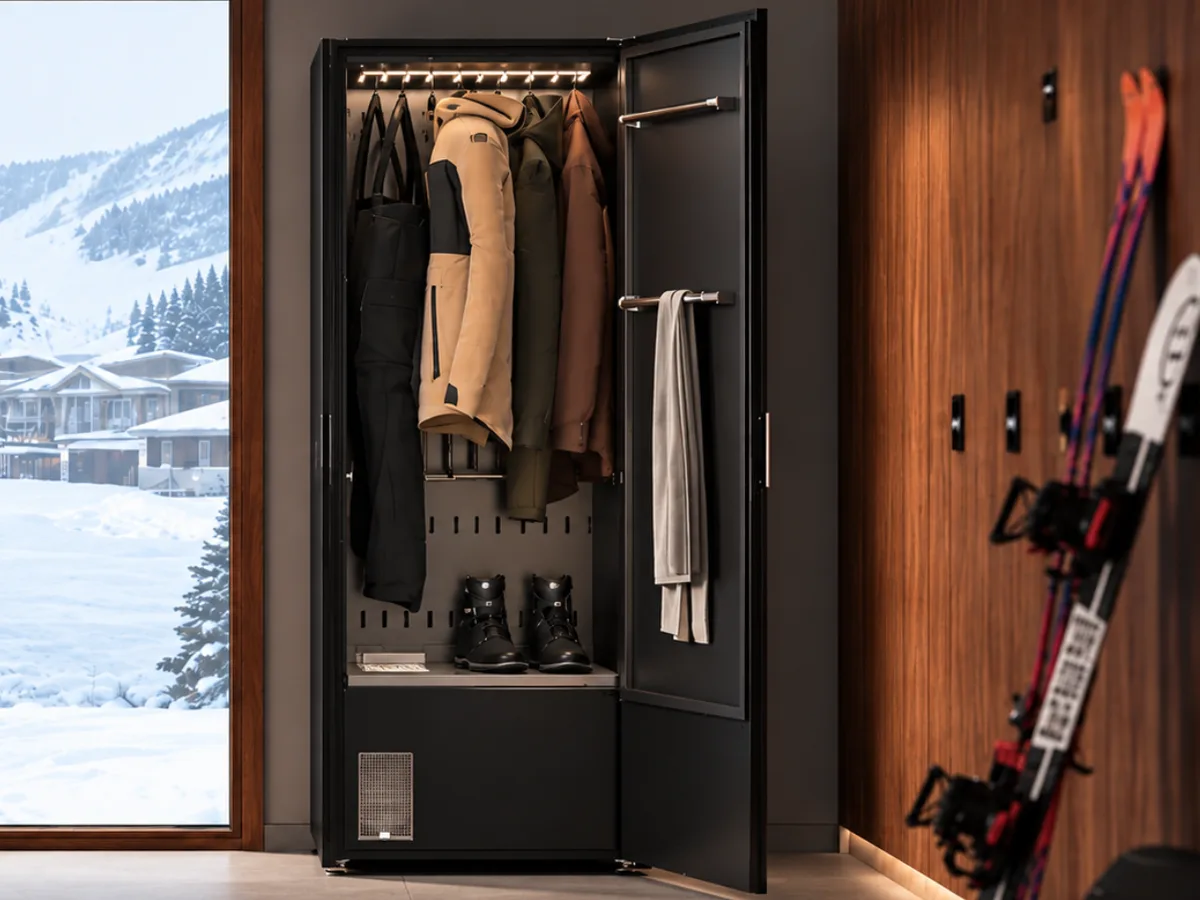
A drying cabinet is the most pleasant way to do this. The jacket hangs still while warm air flows around it, there is no drum turning and seams, tape and reflective strips are not put under strain. Drying and reactivating the finish happen in one go. Stick to the temperature on the care label.
Then test whether it worked: sprinkle some water on the clean, dry jacket. If it beads and rolls off, the DWR is working again. If the water soaks into the fabric, the finish is too worn and it is time to reproof.
How to reproof a waterproof jacket: spray or wash-in
Only reproof a clean jacket, because the product will not bond to dirt. There are two ways:
- Reproofing with a spray. Hang the clean jacket up and spray evenly over the outside, paying extra attention to the shoulders, hood, sleeves and seat, the areas that get the most rain and friction. So you do not reproof it inside out. Follow the instructions on the pack on whether the jacket should still be damp or already dry.
- Reproofing in the washing machine. With a wash-in product, first wash the jacket clean. Then put the reproofer in the drawer and run a second cycle at the temperature on the care label. That way the product gets everywhere, including into awkward seams.
Either way, finish with heat, just as after washing. A drying cabinet or a tumble dryer on a low setting helps the new finish bond well. If you would rather not do it yourself, a dry cleaner that handles outdoor clothing can reproof your jacket for you.
You can reproof a down jacket too, with a product suitable for down. Wash down on a delicate cycle at 30 degrees and dry it at a low temperature, so the down stays fluffy and does not clump.
When to wash and when to reproof
| What you see | What is going on | What you do |
|---|---|---|
| Jacket is wet or muddy after a day outdoors | Simply wet and dirty | Hang to dry, brush the dirt off |
| Water beads less well | DWR is dirty or flattened | Wash and give 20 minutes of heat |
| Jacket smells or feels greasy | Sweat and dirt in the fabric | Wash with a detergent for membrane garments |
| Water soaks in after washing and heat | DWR is worn | Reproof, then give heat |
Drying Gore-Tex shoes works the same way. Take the insoles out, brush the mud off and let them dry on low heat. In the Passad 60 you put them on the removable shoe rack at the bottom. Do not put them on the radiator: too much direct heat is bad for leather and glue.
How a drying cabinet keeps your jacket waterproof for longer
In a drying cabinet you dry clothes hanging up, with warm air and without a drum. For outdoor clothing that is ideal: the jacket dries quickly, keeps its shape and gets the heat the finish needs straight away. Come home wet from a walk and you hang the jacket, waterproof trousers and boots in it right away. No wash needed, just drying and brushing off the dirt. Read more about what a drying cabinet is.
For a family with rainwear, ski suits and sports kit, the NIMO Solano DC 60 is a great choice. A moisture sensor stops the cabinet as soon as everything is dry, so nothing is heated for too long. No vent to the outside? Then the NIMO Passad 60 with a heat pump is the answer: it works in a closed system on an ordinary plug socket, dries up to 11 kg and stays below 55 °C. Browse all NIMO drying cabinets to compare.
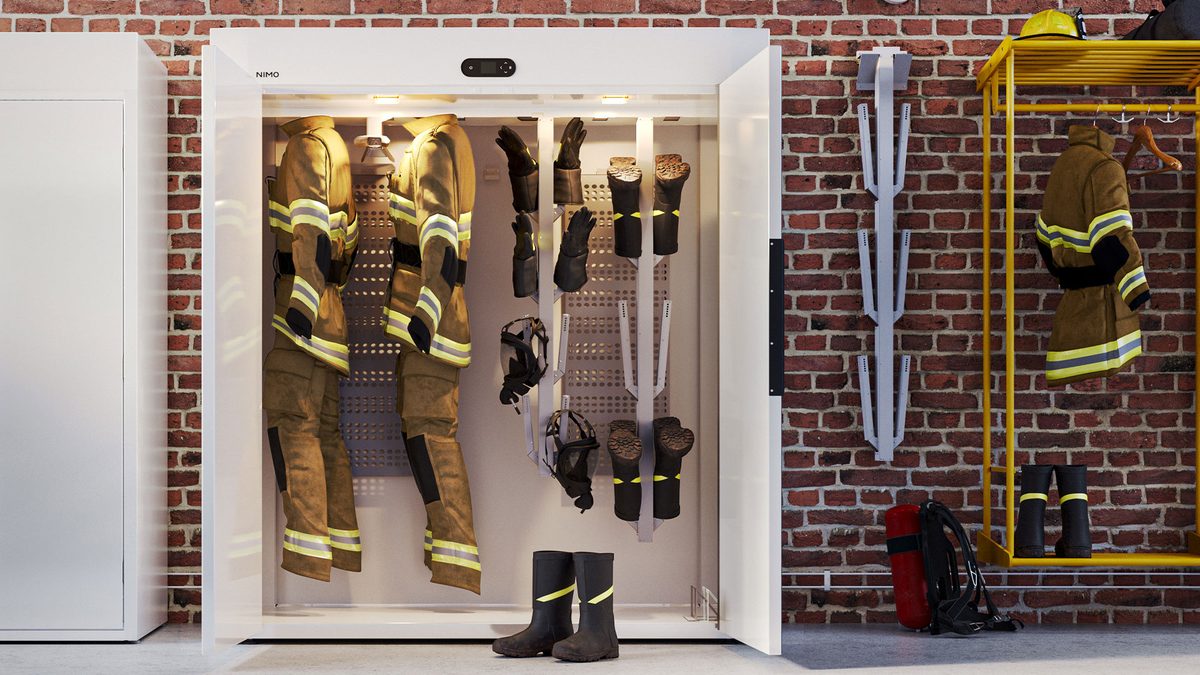
For fire services, emergency services and companies with a lot of membrane clothing there is the Zephyr WW Cabinet 120. It holds four complete sets of turnout gear and dries 20 kg in 135 minutes. Its reproofing programme is designed for newer turnout suits: it dries at a high temperature and reactivates the water-repellent top layer. That way protective clothing keeps doing what it was made for after every wash. Read more in our guide to drying cabinets for fire services and workwear.
Drying cabinets for jackets and outdoor clothing
Hanging dry with warm air, without a drum. The heat also reactivates the water-repellent finish.
In short
A waterproof jacket that gets wet usually does not need a new membrane, just a clean, active outer finish. Wash it with a liquid detergent for membrane garments, without fabric softener, hang it to dry and give it 20 minutes of heat. If the water still does not bead, reproof it with a spray or wash-in product and finish with heat again. Follow the care label at every step. That way your jacket, and the children's, will last much longer. Want drying and reactivating to take care of itself from now on? Compare the drying cabinets by space, connection and how much clothing you dry.
View all drying cabinets - Hanging dry without a drum, for your everyday washing and your outdoor clothing.
Frequently asked questions
- How often should you reproof a waterproof jacket?
- Only when it needs it. Wash and dry your jacket first and give it some heat: the water often beads up again afterwards. If water still soaks into the fabric after washing and heat, it is time to reproof.
- Can you reproof a jacket in the washing machine?
- Yes, with a wash-in reproofer. First wash the jacket clean, then put the product in the detergent drawer and run a second cycle at the temperature on the care label. Hang the jacket to dry afterwards and give it heat, so the finish bonds properly.
- Which detergent should you use for Gore-Tex?
- A liquid detergent for technical clothing or membrane garments. Washing powder can clog the pores of the membrane and fabric softener damages the water-repellent finish. So no powder and no fabric softener.
- Can a Gore-Tex jacket go in the tumble dryer?
- Follow the care label. Many Gore-Tex jackets can go in the tumble dryer on a low setting, but hanging to dry is gentler on seams and tape. In a drying cabinet the jacket hangs still in warm air, without a drum, and the heat reactivates the finish at the same time. A drying cabinet does both.
- Can a dry cleaner reproof my jacket?
- Many dry cleaners offer washing and reproofing for outdoor clothing. That is handy for an expensive jacket or if you would rather not do it yourself. It also works fine at home with a spray or wash-in product, as long as you wash the jacket clean first and give it heat afterwards.
- Should you reproof a jacket inside out?
- No. You wash it inside out, with zips and Velcro closed. You spray a reproofer on the outside, because that is where the water needs to bead. With a wash-in product, follow the instructions on the pack.